







Why pipes freeze in Bishkek: houses, basements and street inlets
In winter, Bishkek has consistently sub-zero nighttime temperatures, and the first to give way are inlets to private homes, basements of apartment blocks and exposed sections of mains. Let's look at exactly where the heat balance breaks down and why thawing pipes becomes an emergency job.
At what temperature and why water freezes in a pipe
Water in a pipe freezes under a sustained sub-zero temperature on the pipe wall — usually from −5 °C and below for several hours, even if it is above freezing indoors. Ice starts not with the flow but with a thin film at the cold wall, and that is where water expands by 9% of its volume. A metal pipe at a water inlet point cools faster than the warmed room air, so its contents set even with the boiler running. A thin section at the inlet and in an unheated crawl space loses heat most actively: the wall there cools 3-5 °C faster than the air in the room, so before the first frost check the insulation of precisely these places. In search, customers often type "pipe thawing Bishkek price" — that is how the query leads to this page.
Which houses and sections freeze first
- Private house with a shallow inlet: the pipe lies above the frost line, and a short cold snap is enough for an ice plug.
- Basement of an old apartment block: draughty vents and open windows chill the cold-water pipes along the outer wall.
- Large-diameter main on an exposed section: thin wall, low flow rate at night — the water stagnates and sets.
- Unheated garage or summer kitchen: an inlet without insulation and without trickle heating freezes solid in a single night.
- Country house with seasonal water supply: the system is not drained for the winter, and the first sub-zero temperature bursts the plastic at threaded joints.
Why do-it-yourself thawing with open flame and boiling water is dangerous
- Open flame and blowtorch: they cause local overheating above 200 °C — a polypropylene pipe cracks along the seam, and metal warps and strips the threads.
- Pouring boiling water into the pipe: a sharp temperature difference causes water hammer, and the ice bursts the wall from inside before it has time to melt.
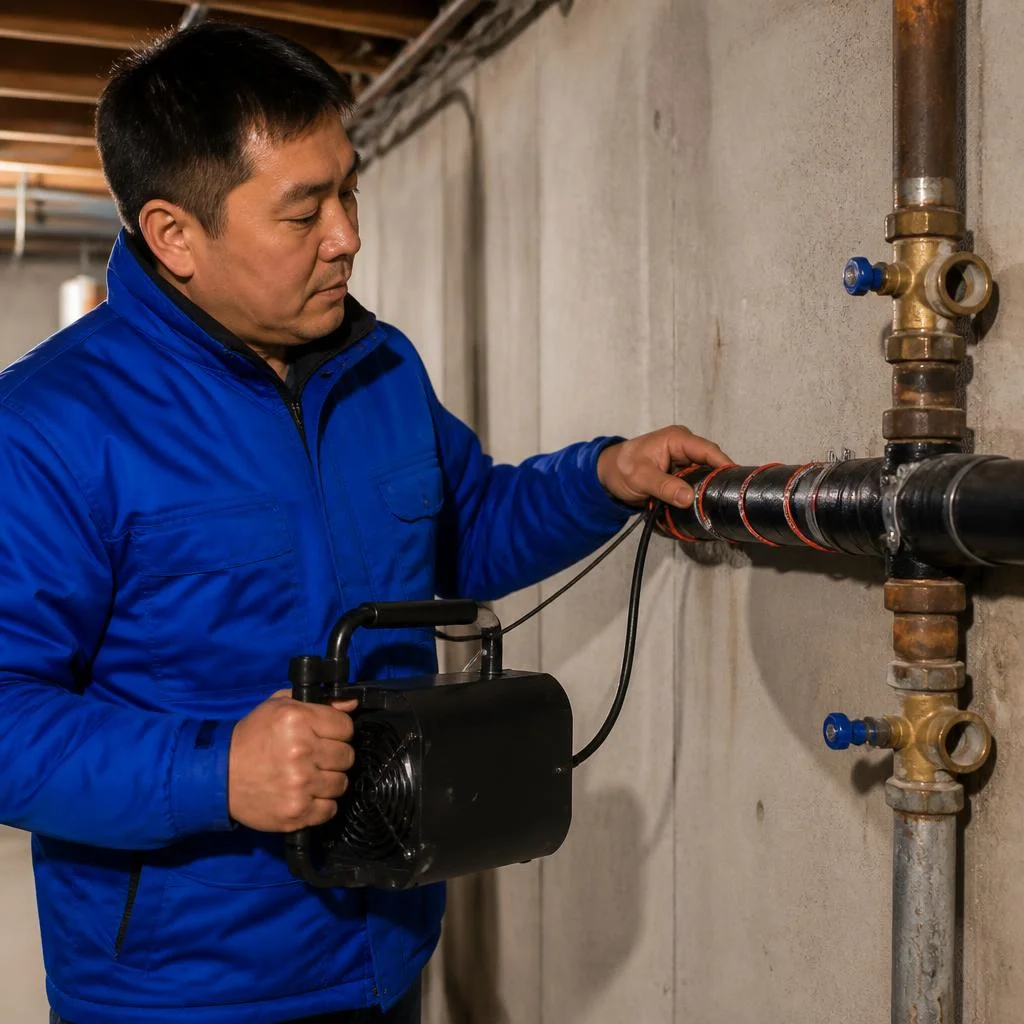
- Electric heater without thermal control: a heating cable wound over insulation melts it and leaves the metal-plastic pipe unprotected.
- Hitting the pipe and heating from a single point: the ice does not release along the entire length but shifts as a plug — it gets forced out at the nearest fitting.
- Thawing pipes without monitoring the wall: sharp local heating is more dangerous than the freezing itself, so gradual external warming preserves both plastic and steel.
Pipe thawing in Bishkek: what work Eco-Service performs
We cover the full range — from an apartment riser to a large-diameter main. Below is which types of pipelines we work on and how the approach to each differs.
Thawing a water pipe and pipes under pressure
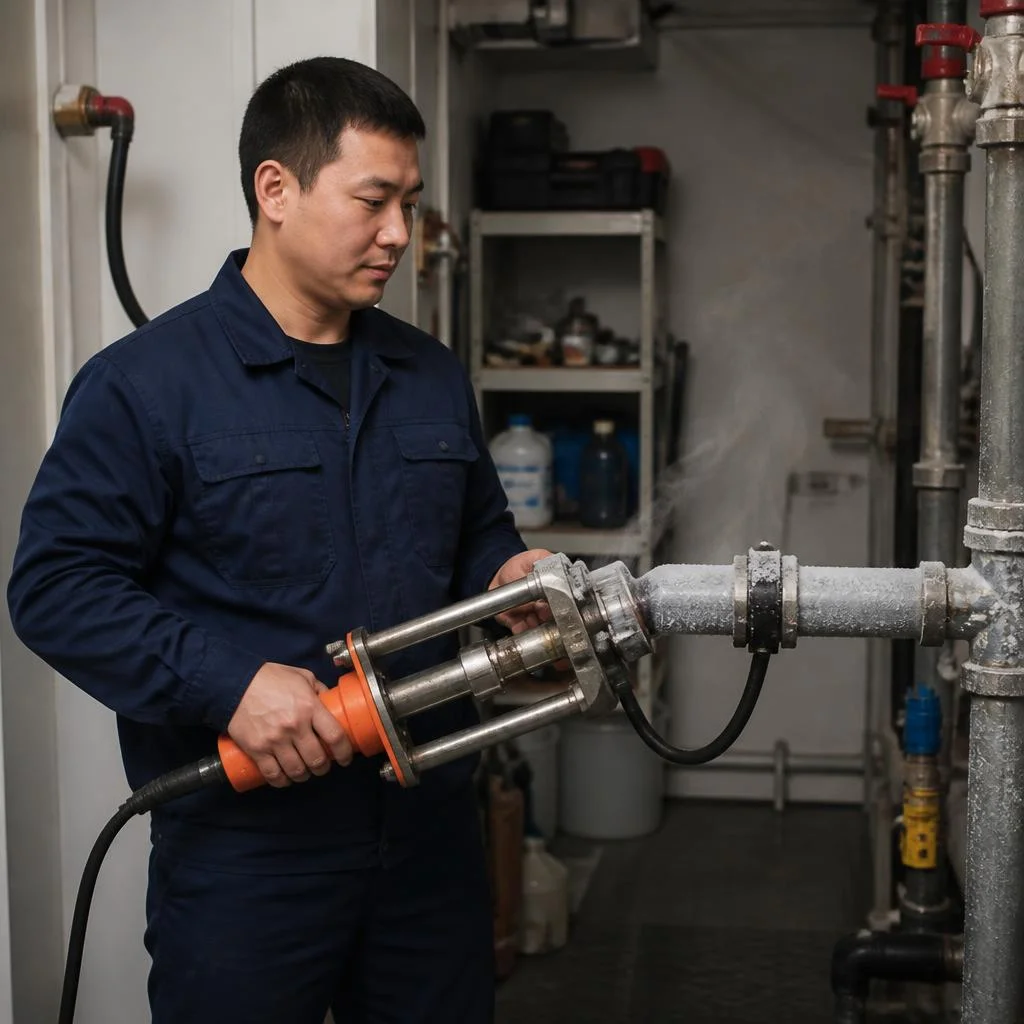
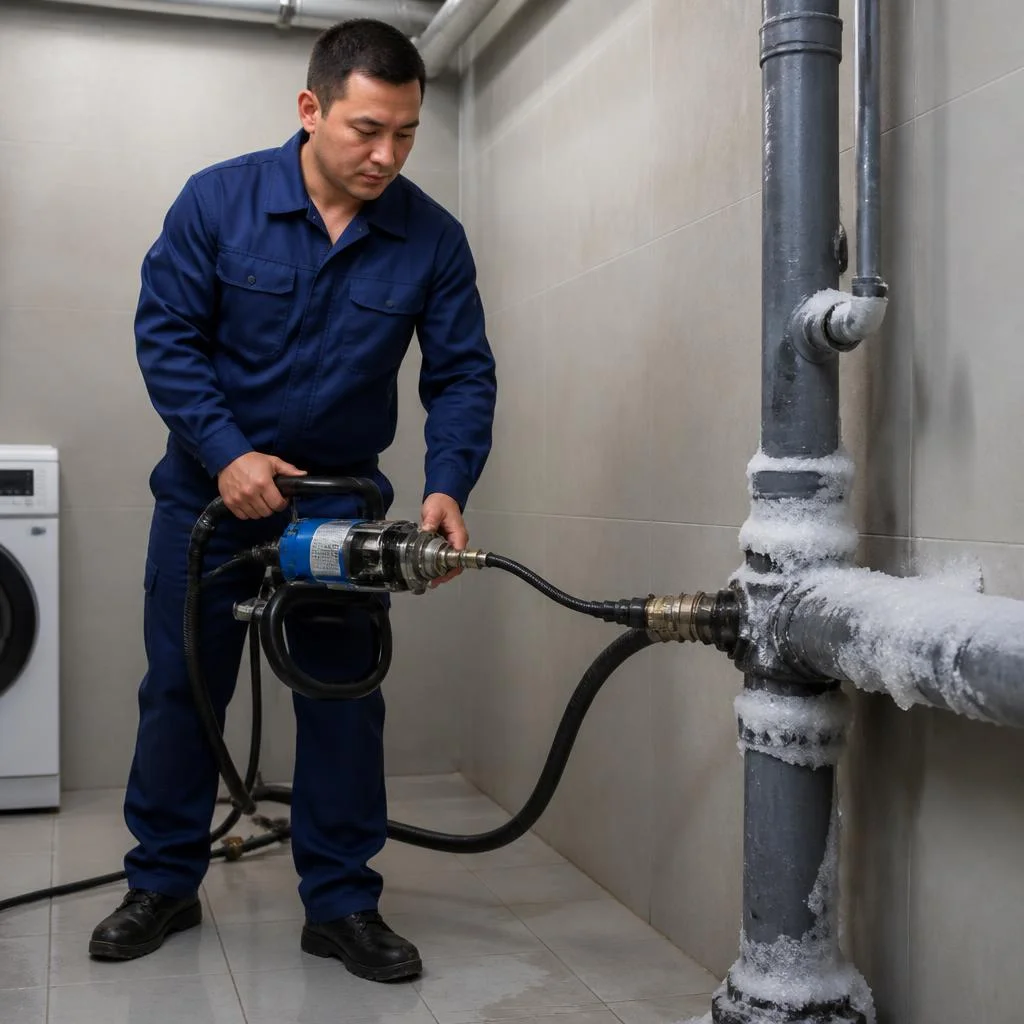
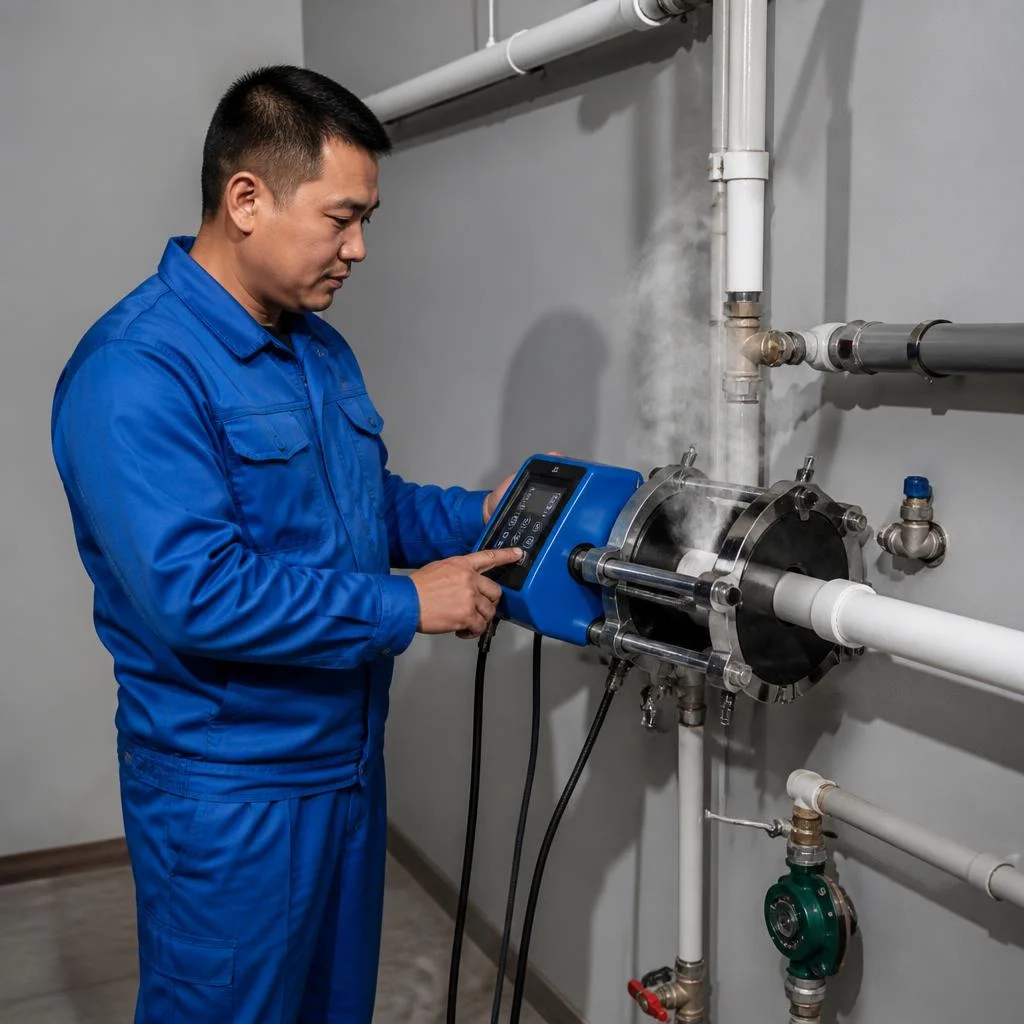
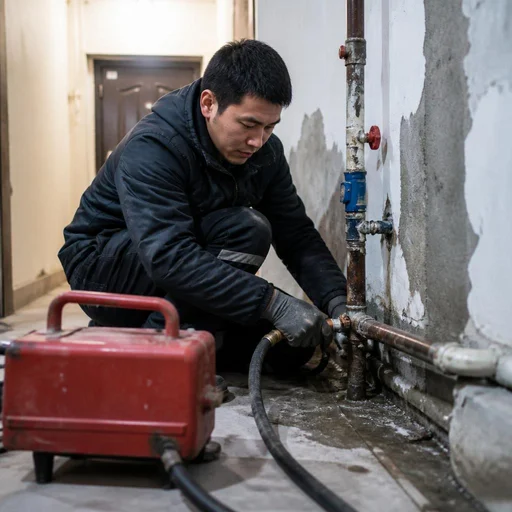
Eco-Service thaws water pipes with an electric heating unit and a steam generator without releasing pressure in the system — this preserves the integrity of the joints. We carry out work on Bishkek water lines in two modes: contact heating along the outer wall of the metal and supplying steam inside the section through a tap-in or flexible connection. The electric heating unit allows adjustment by amperage, so the technician keeps the temperature within limits safe for polypropylene and metal-plastic, and on steel sections increases the power. For a pipe under pressure we do not shut off the inlet: the water remains in the circuit, and this speeds up the process — the ice melts under the system's own pressure. Clients search for "water pipe thawing Bishkek" — and land on this page, because the query describes exactly our line of work. Heating under pressure gives the technician feedback: as soon as the ice starts to move, the movement of water can be heard, and heating is stopped immediately so as not to overheat the section.
Thawing a sewer pipe and riser in an apartment
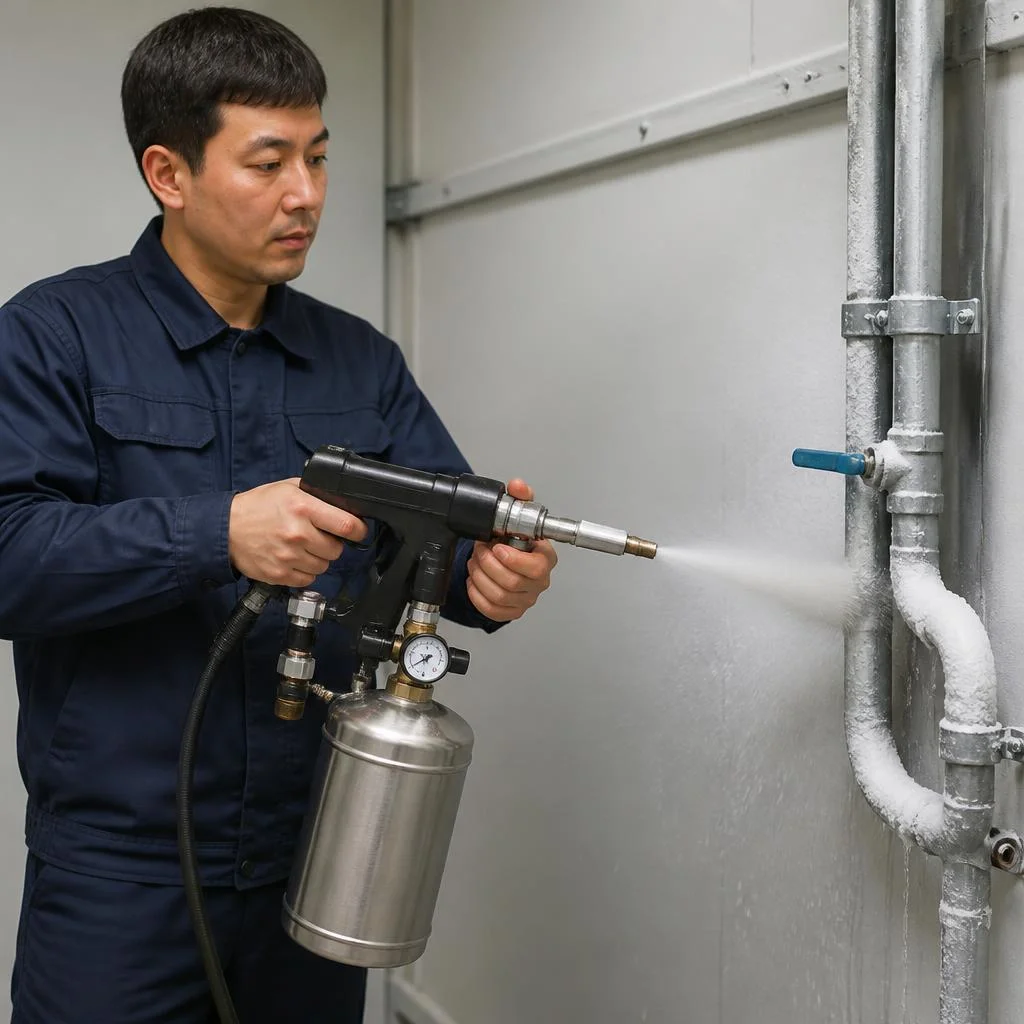
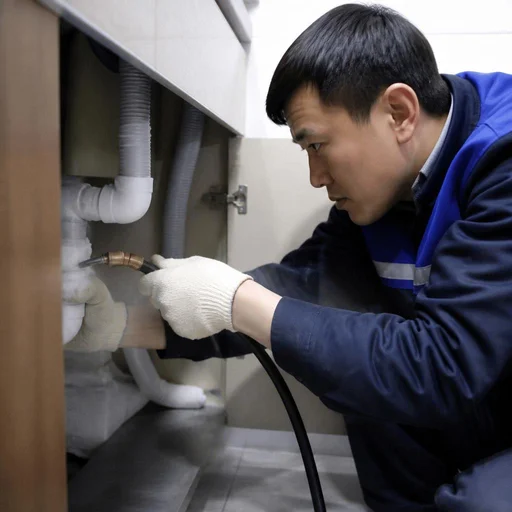
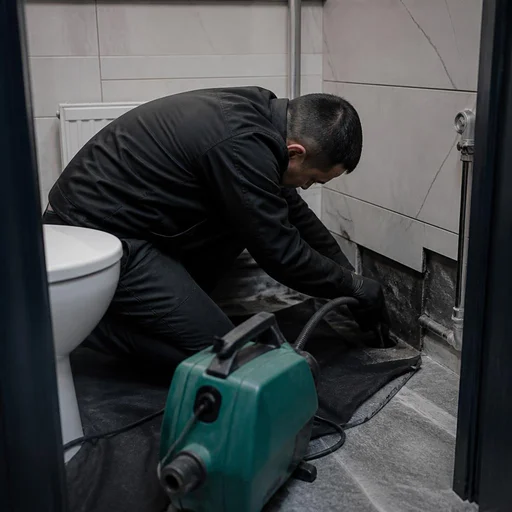
We thaw sewers and risers with a steam generator from top to bottom: the steam passes through the pipe and breaks up the ice plug without dismantling. Thawing sewer pipes in Bishkek is often required in older buildings, where cast-iron horizontal runs lie in an unheated crawl space, as well as in new buildings with wide sockets, where condensation freezes. Work begins with an inspection on the floor: the technician removes the plug, inserts the steam generator hose and heats in stages of 50-70 cm, monitoring the steam output at the lower section. Thawing a riser in an apartment requires coordination with neighbors, at least along the riser — when the plug suddenly gives way, the water goes downward. In a riser it is important not to drive the steam too fast — a sharp pressure drop on the frozen section can break a joint on the lower floor. Technicians hear the query "sewer pipe thawing Bishkek" most often in winter, when the riser freezes up entirely.
Thawing a pipe in a private house and a large-diameter main
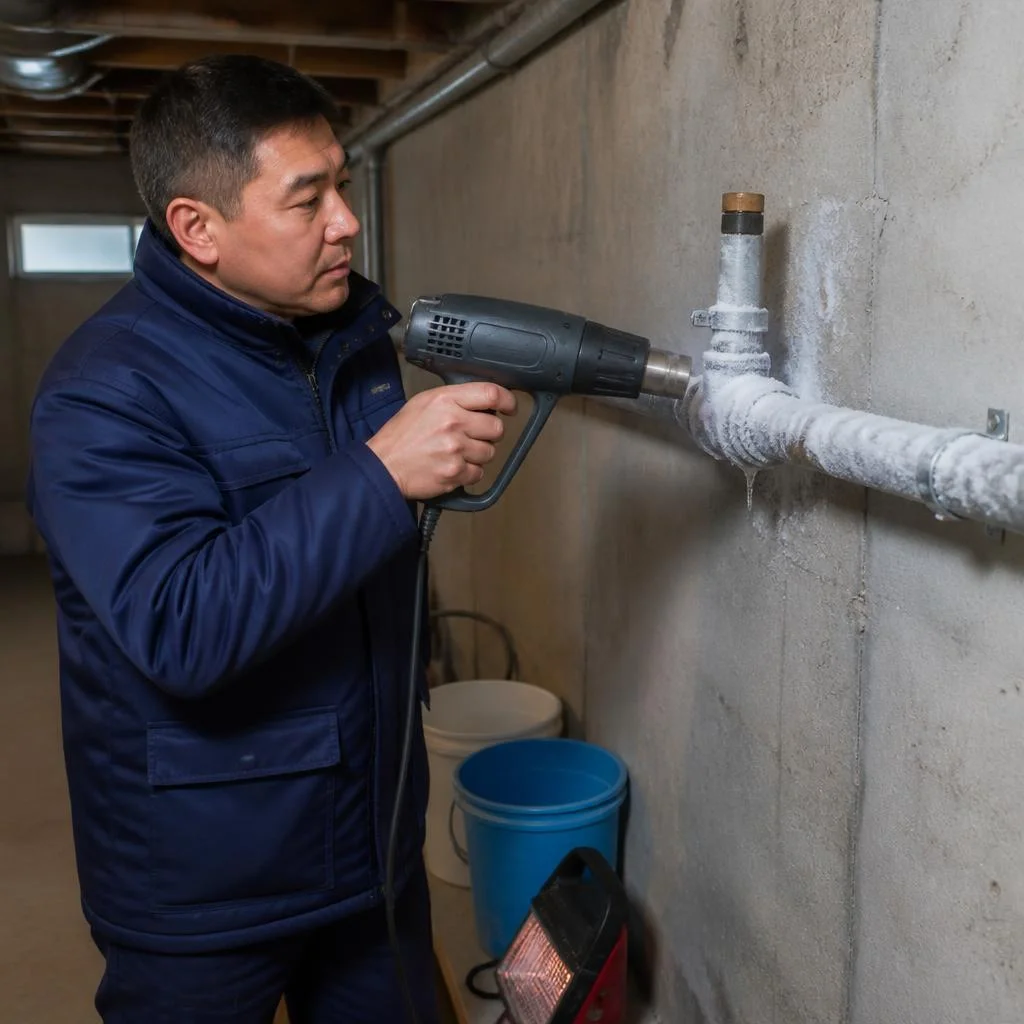
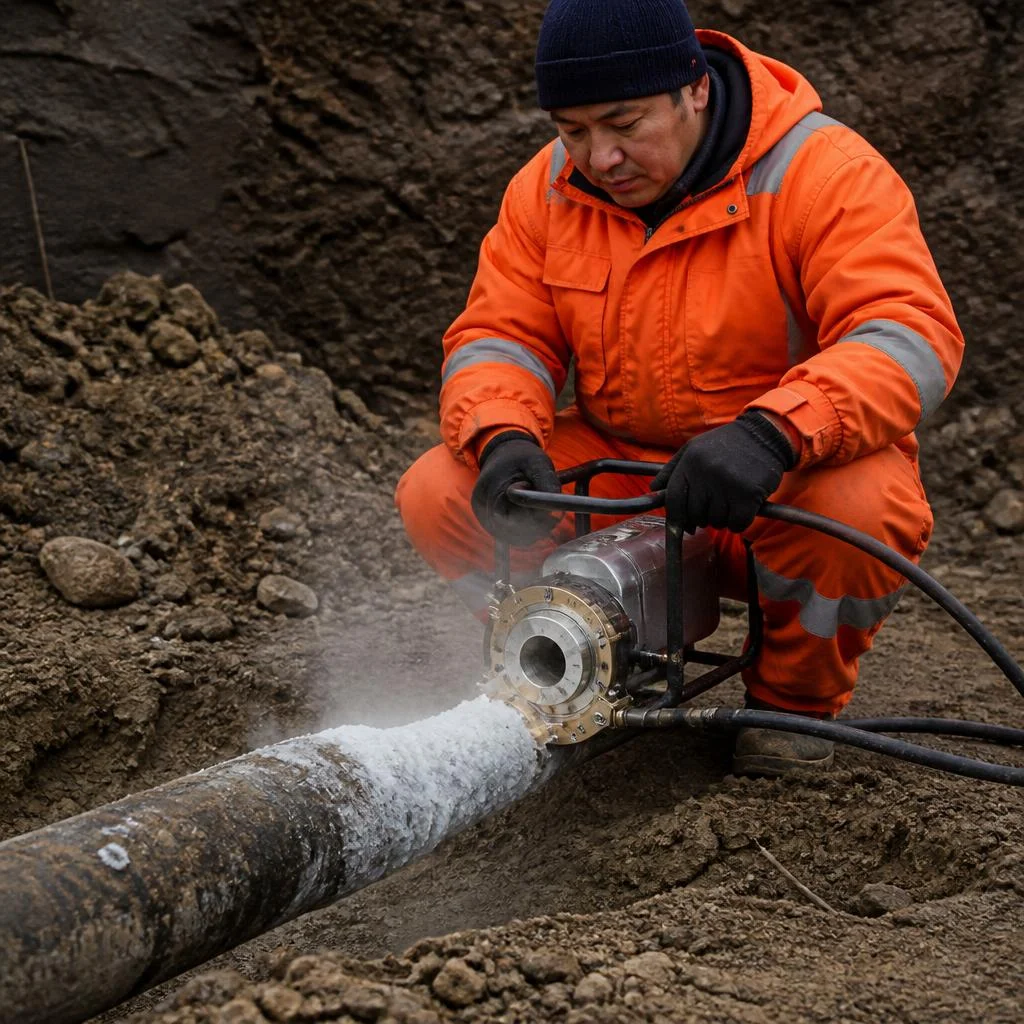
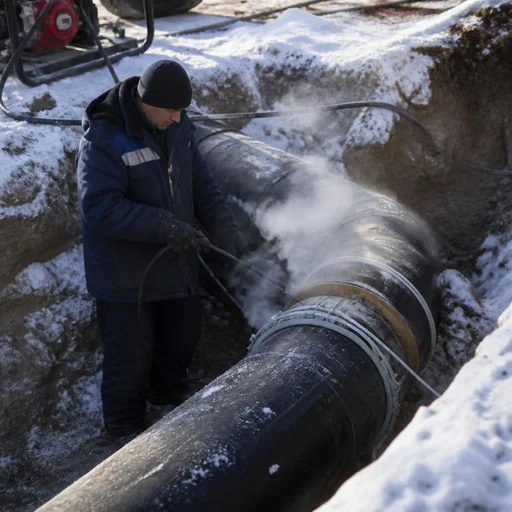
In a private house we work with the inlet, the crawl space and the outdoor section, and on large-diameter mains we use combined heating — steam plus a heat gun at the inlet unit. In the suburbs of Bishkek (Kok-Zhar, Mayevka, Lebedinovka) this most often concerns the inlet from a well or borehole: it lies at a depth below the freezing point, but with an exposed section or no insulation it freezes first. Clients search for "pipe thawing services Bishkek" — and land here, because the query describes precisely work on the inlet and the outdoor section. Thawing a large-diameter main is a job for a crew: a diameter of 100 mm or more requires supplying steam at several points and simultaneously monitoring pressure at the water inlet unit, otherwise the plug will simply be pushed further along the pipe. On a main, what matters more is not speed but evenness: if you heat one point, the ice will retreat deeper and the plug will set up further along the pipe.
Comparison of work by type of pipeline
| Type of pipeline | Equipment | Where it is used | What the work includes |
|---|---|---|---|
| Water supply | Electric heating unit | Apartments, houses | Heating the section, checking pressure |
| Sewer | Steam generator | Apartments, houses | Heating from top to bottom, flushing |
| Riser | Steam generator | Multi-story buildings | Thawing floor by floor, checking drainage |
| Private house | Heat gun and steam | Inlet, crawl space | Heating the inlet and outdoor section |
| Main | Steam and heat gun | Street, units | Combined heating, monitoring |
Pipe thawing services in Bishkek include diagnostics of the section before heating: the technician determines the boundary of the blockage by sound and pressure drop, so as not to heat the entire riser. Pipe thawing in Bishkek through Eco-Service begins with an inspection and selection of equipment for the material and diameter. Focus on the line that matches your situation: the technician will confirm the option on site after inspection.
Thawing plastic pipes in Bishkek: why polypropylene and metal-plastic are heated differently
Plastic fears sudden heat more than metal. In our practice, thawing plastic pipes in Bishkek requires a change in heating mode: where steel tolerates intensive heating, polypropylene and metal-plastic are treated gently and from the outside.
Why overheating polypropylene and metal-plastic is dangerous
Polypropylene loses strength already at local overheating above 95 °C, and metal-plastic delaminates — that is why plastic is heated gently and from the outside. The inner layer of a polypropylene pipe softens at such a temperature, the wall loses its hoop stiffness and sags under water pressure; in a metal-plastic pipe, the aluminum layer peels away from the polyethylene, and a channel for leakage appears at the joint. The freezing temperature of water in a pipe is 0 °C, but ice expands with a force of up to 200 atmospheres, and plastic, unlike cast iron, does not burst immediately: it stretches. After thawing, the pipe looks intact, but microcracks remain in the wall. Therefore, before supplying water, check all connections and fittings for drips — the defect will manifest not at the moment of thawing, but several hours later under operating pressure.
How Eco-Service thaws plastic pipes
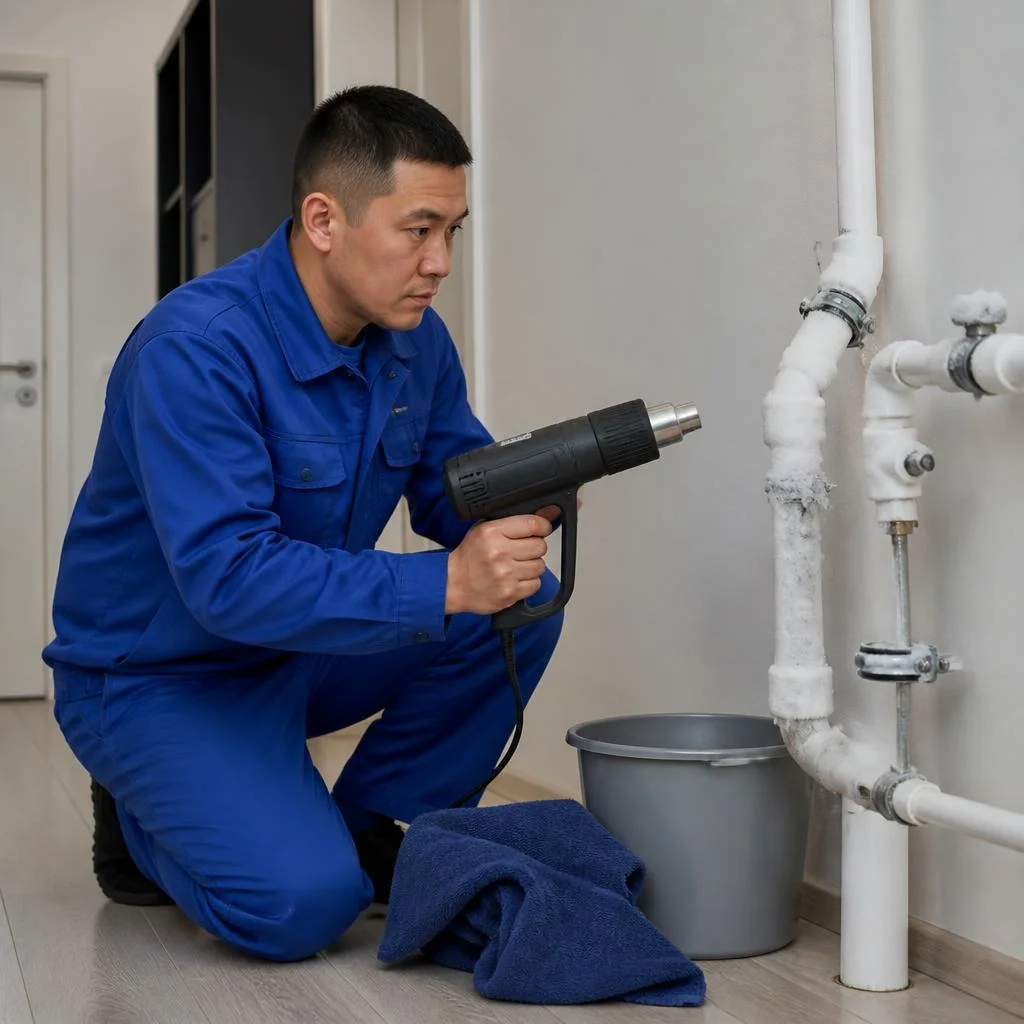
We thaw plastic with a steam generator at reduced output and warm air from a heat gun — without open flame and without direct contact with hot metal. The steam generator produces a jet of 60-80 °C at the nozzle outlet: this is enough for the ice to melt while the polypropylene wall does not reach the softening threshold. The heat gun operates at a distance of 30-40 cm and heats the pipe evenly along the entire length of the frozen section, rather than at a single point. In requests, clients often write briefly — plastic pipe thawing Bishkek — and the technician immediately understands what is meant. We carry out heating from the open end toward the frozen section: this way the steam escapes outward and does not create excess pressure inside the pipe. If both ends are plugged and steam is driven into a closed cavity, the ice plug will push out the fitting before it melts.
Metal pipes: where more intensive heating is possible
We heat a metal pipe more intensively — it holds temperature and evenly transfers heat to the frozen section. An electric heating unit on a steel main raises the temperature to 90-100 °C without risk to the wall: steel melts at 1400 °C, while polypropylene softens already at 95 °C. Metal has the opposite problem: it quickly conducts heat to adjacent connections, so the technician controls heating at threaded joints — sealing tape and flax on the threads dry out and lose tightness. In requests, clients often write briefly — sewer pipe thawing Bishkek — although what is meant is a steel main in a yard or basement. Thawing metal pipes on a large-diameter main goes faster due to thermal conductivity, but requires monitoring at every joint.
Hard-to-reach areas: thawing a pipe in a wall, underground and in concrete
The less access there is to the pipe, the more important the precision of heating. We explain how we work with sections in a wall, underground and in concrete without destroying the finish or tearing up the ground.
Thawing a pipe in a wall and in concrete without opening it up
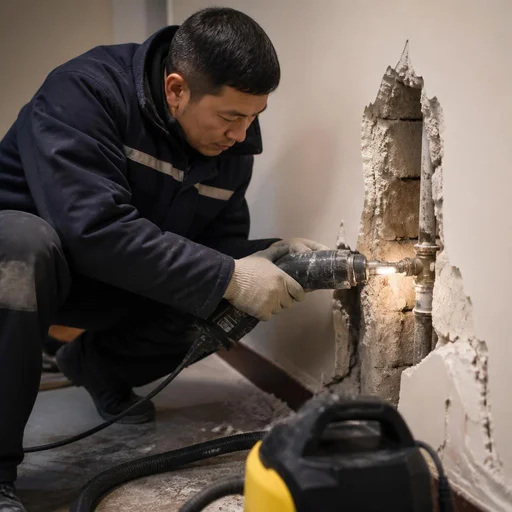
Heating a pipe in a wall and in concrete is done through access points — outlets, valves, entry assemblies — without large-scale opening up. In our experience, in a nine-story panel building on Akhunbaeva, an ice plug was sitting in a chase between the kitchen and the bathroom: the technician fed a steam generator through a flexible supply line, and the section cleared in 50 minutes. If the section is deeply walled in, we first determine the boundaries of the plug with a thermal imager — pinpoint heating is faster and safer for the finish than heating the entire wall. In concrete floor slabs, rebar conducts heat better than mortar, so the heating map is different than in brick: we insulate adjacent sections and prevent the temperature from escaping into the slab. If the pressure has not recovered after thawing, we check the section again — a residual plug usually sits at a bend or a tee. There is no need to hammer the wall before diagnostics: in 8 out of 10 cases the section clears through existing access points, and you can order such work through Eco-Service. In search, clients often type pipe thawing heating — and land on this page.
Heating a pipe underground and in a basement
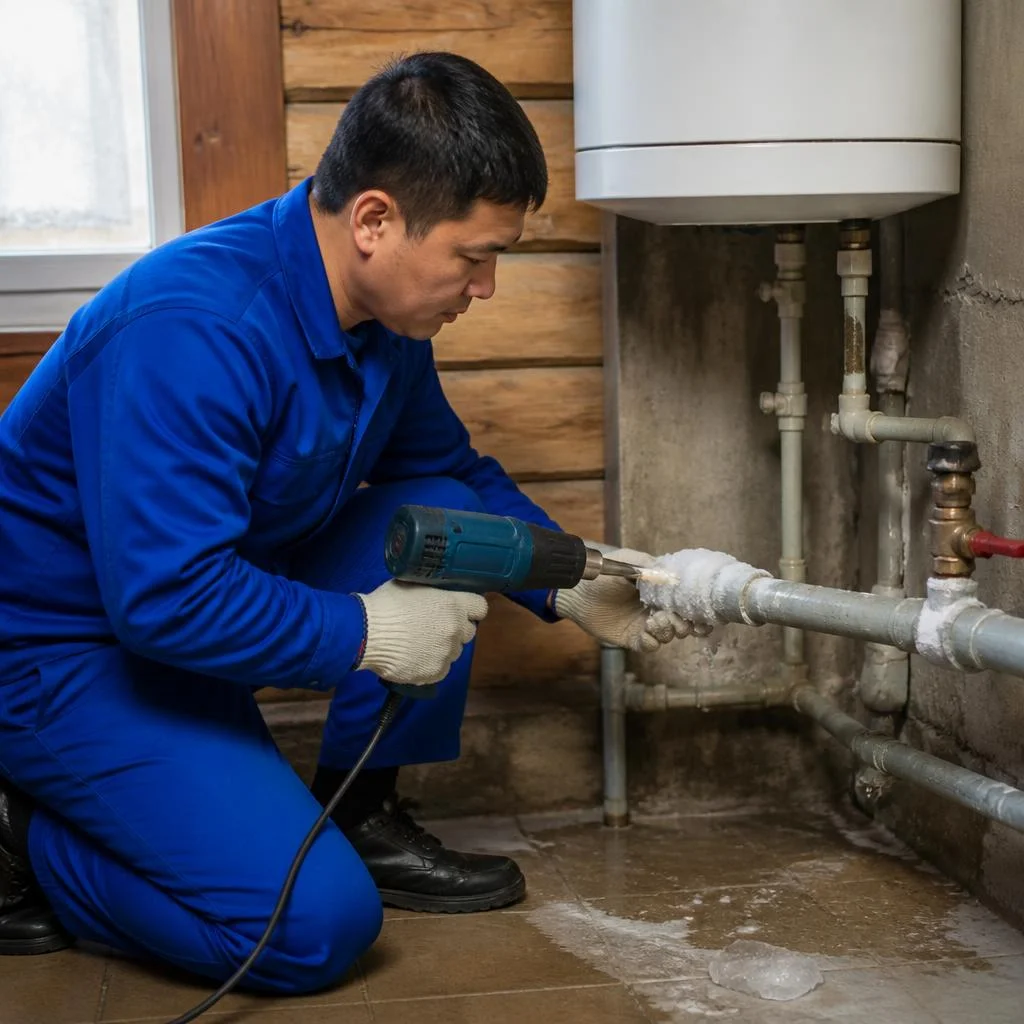
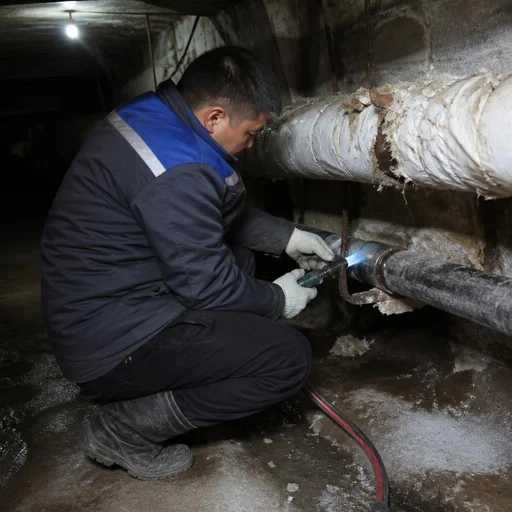
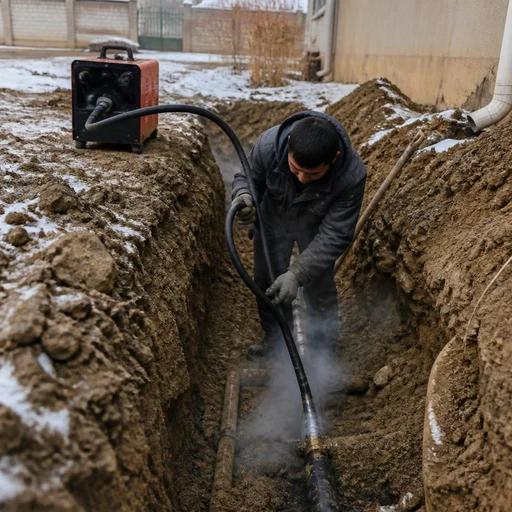
Heating a pipe underground and in a basement is done through the entry: steam is fed inside the pipe, and the entry assembly is additionally heated with a heat gun. We heated an underground entry in a private-sector home in Kok-Zhar at a depth of 1.8 meters with a steam generator for 3.5 hours — the soil there is heaving, loam with crushed stone, and heat goes downward more slowly than in a sand cushion. On underground sections it is important not to overdry the soil around the pipe: abrupt heating causes subsidence, so heating is done gradually, in steps of 10-15 degrees. In the basements of multi-story buildings in the Djal microdistrict, a heat gun works faster than steam — there the pipes are exposed and convection is enough. In old buildings with cast-iron runs, the gun is placed at a distance so as not to damage the bell-and-spigot joints. The technician selects the method based on material and depth: on sandy soil steam is more effective, on clayey soil a combination of steam and a gun; pipe heating in Bishkek is used this way on most winter calls. This is exactly how those who search for pipe thawing city Bishkek phrase their request in the search bar.
Heating the water entry assembly and shut-off valves
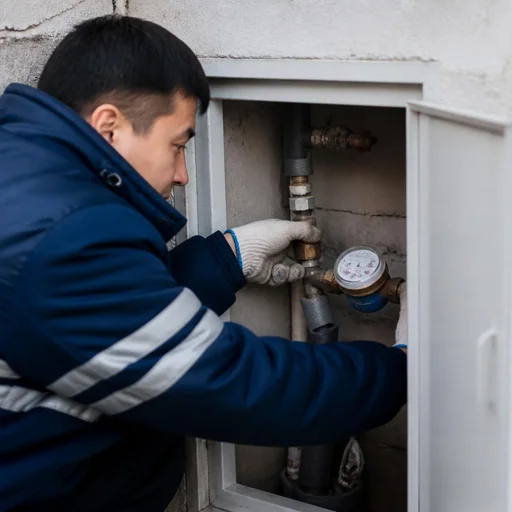
We heat the water entry assembly first — this is the point through which the rest of the pipe is then warmed. The assembly includes a valve, flanges, a meter and a coarse filter: on Vostochnaya in a private house, both the entry and the pressure reducer froze at once, and we heated them one after another, starting with the valve. If the entry is frozen, do not open the taps before thawing: pressure in a frozen system can damage the connections during thawing. The technician uses a construction heat gun with temperature control and a thermocouple for monitoring — brass fittings require a careful setting so as not to deform the gaskets. After thawing, we check all connections for leaks and only then turn the water on. Before winter, insulate the entry assembly and place a thermometer in the basement — this is cheaper than round-the-clock pipe heating in Bishkek.
Thawing a frozen meter, filter, faucet and pressure reducer
It's not just the pipe that freezes — meters, filters and reducers fail first. We break down how we thaw each element and why sharp heating is not suitable for metering devices.
Thawing a frozen water meter
We thaw a frozen water meter with warm air without removing it — sharp heating and open flame are unacceptable for metering devices. The impeller housing is usually brass or composite, and inside there is a plastic measuring chamber with a magnet on the axis: when heated above 70-80 °C it deforms, and the device starts measuring with an error. We place the heat gun at a distance of 40-50 cm and run the air stream for 15-25 minutes, until the rotation of the impeller becomes visible through the glass with the faucet open. We don't touch the seal in the process — it must never be broken under any circumstances, otherwise the readings will be voided. In search, clients often type "pipe thawing services" — and land on this material, although the work actually has to start with the meter. After thawing, the device should be checked for accuracy: freezing sometimes throws off the impeller mechanics, and then a discrepancy appears in the readings that becomes noticeable during verification.
Thawing a frozen filter and pressure reducer
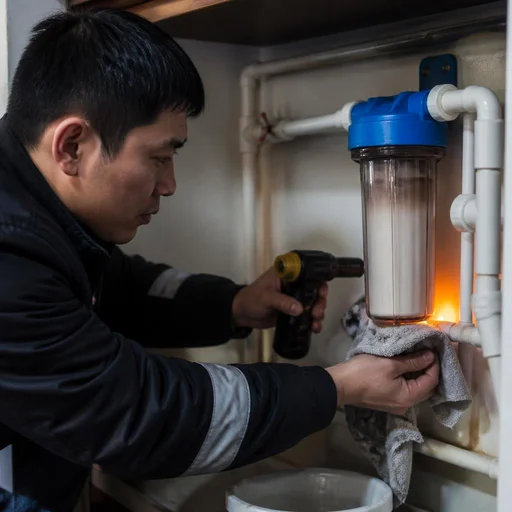
We thaw a frozen fine filter and a frozen pressure reducer carefully and in parts — they have thin membranes and seals that are easy to damage. The filter bowl is made of transparent plastic; when it freezes, water expands and presses on the walls from the inside; if the housing has already developed a microcrack, it will leak when it thaws. The reducer is more complex: a spring, a diaphragm and a valve seat, and overheating the housing leads to loss of adjustment, after which the outlet pressure drifts. That's why we heat the housing from the outside without removing it from the line, and control the heating by hand — the surface should remain tolerably warm. If the filter is frozen, after thawing check the housing for cracks: the plastic bowl often bursts even before it thaws.
Thawing a frozen faucet and mixer
We thaw a frozen faucet from the outside with warm air, without disassembling the mixer — this way the valve cartridges and gaskets are preserved. In this case the ice plug sits in the spout or in the outlet body, less often in the supply line under the sink. We warm the housing with a heat gun at medium power, directing the stream at the spout and at the flexible supply line alternately, and check the result by opening the faucet a quarter turn. The brass housing handles the heat calmly, but the chrome plating becomes cloudy from localized overheating, so we keep the nozzle farther away. Don't pour boiling water on the faucet: the ceramic cartridge cracks from the sharp temperature change, and the faucet will have to be replaced entirely. Pipe thawing in Bishkek in winter most often starts with these small components — they freeze before the main line.
How a technician visit works and what the service includes
From request to thawing — a clear route. Below we describe the stages, working hours, and exactly what we guarantee after the work is completed.
Stages of work: from request to thawing
- Request and dispatcher: a dispatcher takes the call at any time of day, records the address, the type of pipe, and the signs indicating that the section has frozen.
- Technician's visit to the site: the crew arrives with its own equipment — a steam generator, a heat gun, and a heating cable; nothing extra needs to be purchased.
- Locating the blockage: the technician determines the boundaries of the ice plug, because incorrect localization is the main reason why do-it-yourself thawing fails.
- Thawing: the section is heated using the method chosen for the pipe material, while the price of the service depends on the type of access and the diameter.
- Pressure testing: after thawing, the technician turns the water on and makes sure that flow is restored and the joints hold.
Round-the-clock emergency service and dispatch across Bishkek
The Eco-Service emergency service operates around the clock, including at night and on weekends — freezing most often happens at night, when the temperature drops to its minimum. The dispatcher takes requests on weekdays and holidays alike, and the technician travels to the site across Bishkek and nearby suburbs: to the Asanbay, Kok-Zhar, Djal, and Ak-Orgo microdistricts, and the Kalys-Ordo and Archa-Beshik residential areas. In search, clients often type "pipe thawing Bishkek" — and land on our page, because the query matches what we do every winter. Don't put off a nighttime call until morning: within a few hours the ice expands and can burst the pipe, and then thawing will be compounded by repairing the section and replacing fittings. In our practice, nighttime calls for risers and service lines are resolved faster than daytime ones — there are fewer cars on the roads, and the technician reaches the address without delays.
2-year warranty on completed work
Eco-Service provides a 2-year warranty on completed work — if the section freezes again through our fault, we perform the visit and re-thawing free of charge. The warranty covers the thawing of risers, service lines, sections in walls and underground, as well as the thawing of shut-off valves and service-line assemblies; it is documented in a report, with a copy kept by the client. The warranty does not cover re-freezing due to a shallow service line or lack of insulation — in such cases the technician will immediately advise what to improve so the situation doesn't recur next winter. If you need pipe thawing services in Bishkek, requests are accepted around the clock, and our own service center in Bishkek keeps a history of requests for each address.
Conclusion
Pipe thawing is work where the method is dictated by three factors: the wall material, the depth of freezing, and access to the section. Below is a short summary worth keeping in mind before the technician arrives.
Key takeaways
- Cause of freezing: sustained sub-zero temperature on the pipe wall, not the air temperature in the room — that's why thawing begins with an assessment of the section itself.
- Material decides: polypropylene and metal-plastic are heated gently and from the outside, while steel and copper are heated more intensively, but with monitoring at threaded connections.
- Access determines the method: walled-in and underground sections are thawed through access points and with a steam generator, rather than by breaking open concrete or soil.
- Valves are at risk: meters, filters, valves, and reducers freeze first and require a separate approach with heating of the housing, not just the pipe.
- Prevention is cheaper: insulating the service line, monitoring the laying depth, and draining water for the winter reduce the risk of re-freezing many times over.